
In ancient Chinese history, there was a man whose thoughts profoundly influenced the development of modern Japan. His teachings allowed Japan to secure a seat on the stage of world history and were a primary driver behind the success of the nation’s reforms.
That man was the ancient scholar and philosopher—Wang Shouren (Wang Yangming).
Wang Yangming’s fame and his “School of Mind” (Xinxue) reached overseas more than three hundred years ago. His concept of the “Unity of Knowledge and Action” (知行合一) spread to Japan during the mid-Ming Dynasty, where it was embraced and became a prominent school of thought. By the 19th century, it was a foundational ideology for the thinkers of the Meiji Restoration.
The Bridge to Japan
In 1510, the Japanese monk Ryōan Keigo traveled to China to meet Wang Yangming. He carried these radical ideas back to Japan, indirectly shaping the nation’s future strength. It is said that “Knowledge and Action as One” became a cornerstone of Bushido (the Way of the Warrior). Japanese samurai adopted it as a motto, emphasizing personal practice and the realization of one’s thoughts through direct action.
Wang Shouren inherited the idea that “The Mind is Principle” (心即理) from Lu Jiuyuan. He opposed the “investigation of things” (格物致知) advocated by Cheng Yi and Zhu Xi, which sought “ultimate truth” in external objects. Wang argued that external investigation was endless and exhausting; instead, one should look inward. He believed that “Principle” exists entirely within the “Mind.”
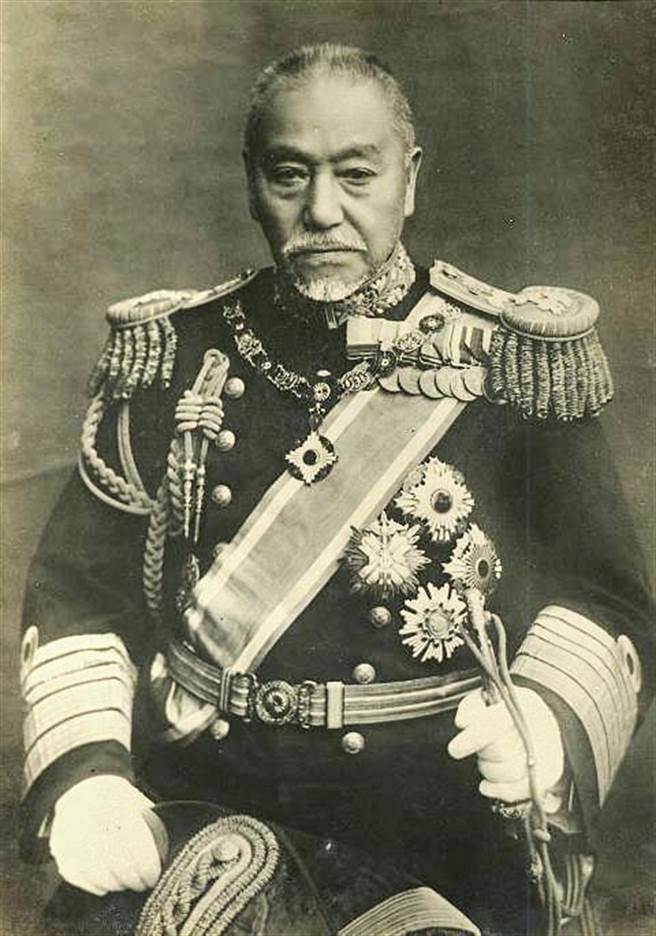
“I Bow My Head to Yangming”
Heihachiro Togo, the legendary Admiral of the Imperial Japanese Navy known as the “God of War,” carried a small wooden plaque throughout his life. According to historical records, it was inscribed with seven characters: “Throughout my life, I bow my head to Yangming” (一生伏首拜陽明).
Yangmingism represented a massive liberation of individuality compared to traditional Neo-Confucianism. It affirmed the value of the individual life and emphasized the alignment of morality with inner desire. When this philosophy entered Japan, it provided the soul for the Meiji spirit, allowing the entire nation to undergo a rebirth.

Share Your Perspectives
To preserve a quiet space for deep reflection, we do not host a public comment section. If you have insights on this article, click below to share it to your own social space and start a meaningful conversation with your network.