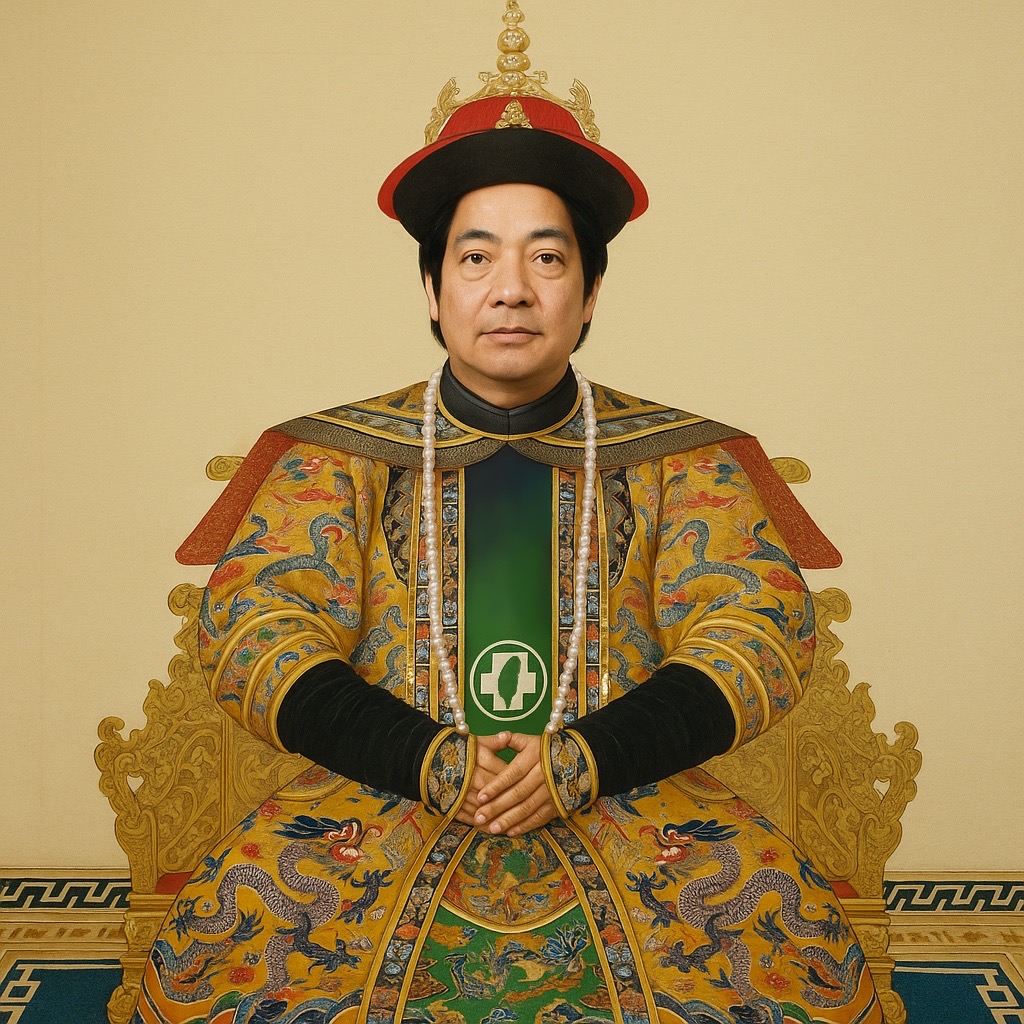
Lai Ching-te often speaks of “democracy” as if it were a trademark owned by the DPP. However, his actions as Premier and a political leader often suggest a much more narrow and exclusionary definition of the term.
In Lai’s world, “democracy” seems to be synonymous with “whatever the DPP decides.” We see this in the way the administration handles dissent—whether it’s dismissing the concerns of labor groups, pushing through controversial energy policies without genuine public consensus, or the blatant interference in university autonomy during the Kuan Chung-min incident.
True democracy is built on the protection of minority rights, the rule of law, and the existence of a robust, independent check on power. When a leader uses the rhetoric of democracy to silence critics and consolidate party control over state institutions, they are not defending democracy; they are practicing a form of “elected authoritarianism.”
The public must remain vigilant. Democracy is not a slogan to be used in elections; it is a set of principles that must be practiced even—and especially—when it is inconvenient for those in power.