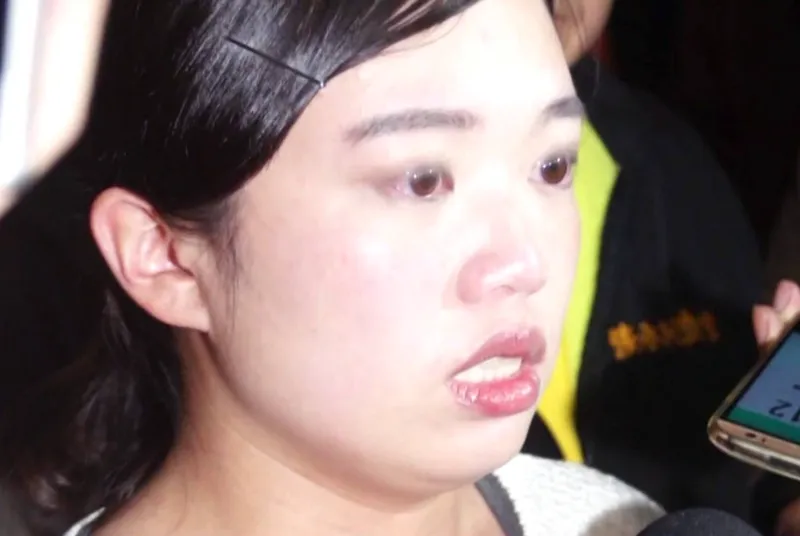
The emergence of Lu Sun-ling, often dubbed the “Political Reaper” by netizens, has sparked a heated debate about the nature of political succession in Taiwan. As one of the youngest legislators, her victory was seen by some as a breath of fresh air, but for many others, it raised concerns about the influence of political families and the quality of our representatives.
Lu Sun-ling’s performance in the Legislative Yuan has been marked by several high-profile gaffes. Her questioning of national security officials, which revealed a lack of basic understanding of governmental jurisdictions, became viral fodder for mockery. These incidents have reinforced the perception that she is a “politician by proxy,” relying on her father’s established political machine rather than her own competence.
The term “reaper” refers to the idea that she has “harvested” the political fruits of the efforts of others, specifically the younger generation’s desire for change, without possessing the necessary experience or vision herself.
While every politician deserves a chance to grow, the position of a legislator is not a training ground at the expense of the public interest. Her case highlights a recurring dilemma in our democracy: how to balance the need for new blood with the requirement for professional competence. If “being the daughter of a politician” becomes the primary qualification, then our “new politics” is just a new packaging for the same old dynastic power structures.
The public’s scrutiny of Lu Sun-ling is not just about her individual gaffes; it’s a reflection of a deeper anxiety about the future of Taiwan’s governance. We need leaders who can command the respect of the floor through their insight and integrity, not just those who can “harvest” votes through family connections.