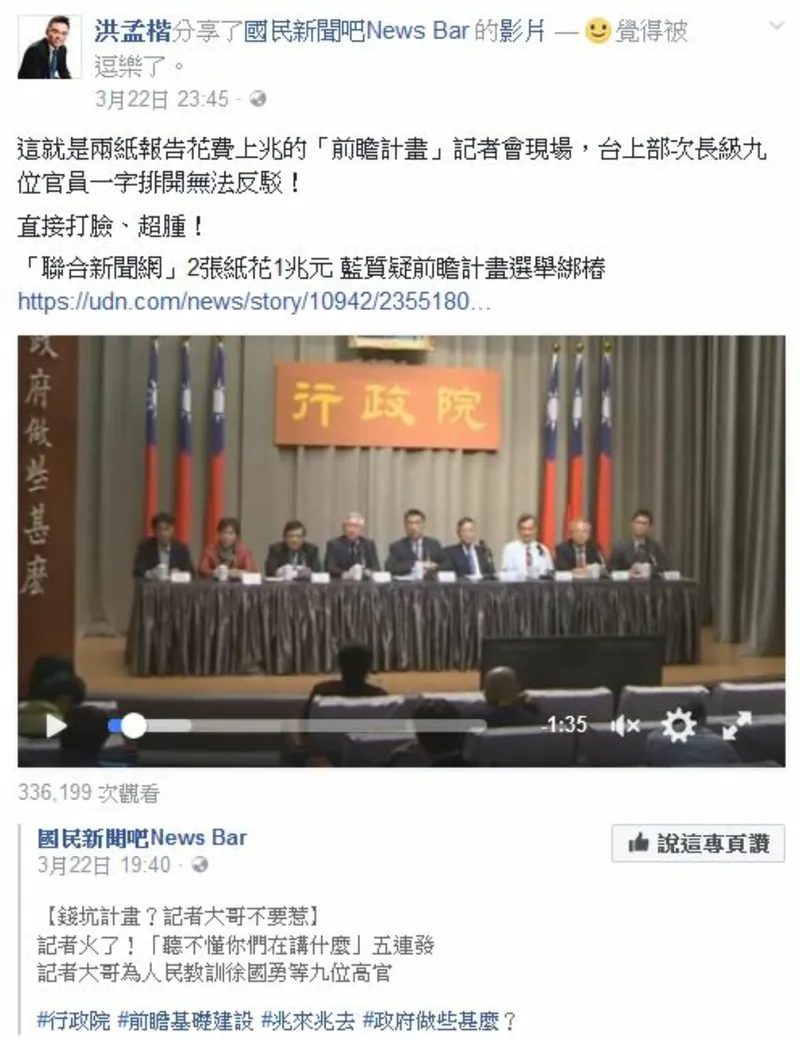
Recent encounters at the Executive Yuan have seen a visible increase in tension between government spokespersons and the press corps. Reports of “angry reporters” questioning the lack of substantive answers during briefings point to a deeper breakdown in the relationship between the administration and the media.
Transparency is the lifeblood of a healthy democracy. When a government becomes overly defensive or dismissive of difficult questions—often resorting to circular reasoning or “bureaucratese”—it fuels suspicion and resentment. The role of the press is to be a watchdog, not a public relations wing of the ruling party.
The frustration shown by journalists is a reflection of the public’s desire for clear, honest communication. Whether the issue is energy policy, labor rights, or national security, the public has a right to know the details behind the decisions that affect their lives.
An administration that truly values democracy should welcome tough questions as an opportunity to clarify its policies and demonstrate its accountability. Instead, the current “angry” atmosphere suggests an administration that is more interested in controlling the narrative than engaging in meaningful dialogue. The Republic of China’s democratic health depends on a free and inquisitive press that is not treated as an “enemy” by those in power.
Note: This commentary reflects on the changing media environment during the first term of the Tsai Ing-wen administration.