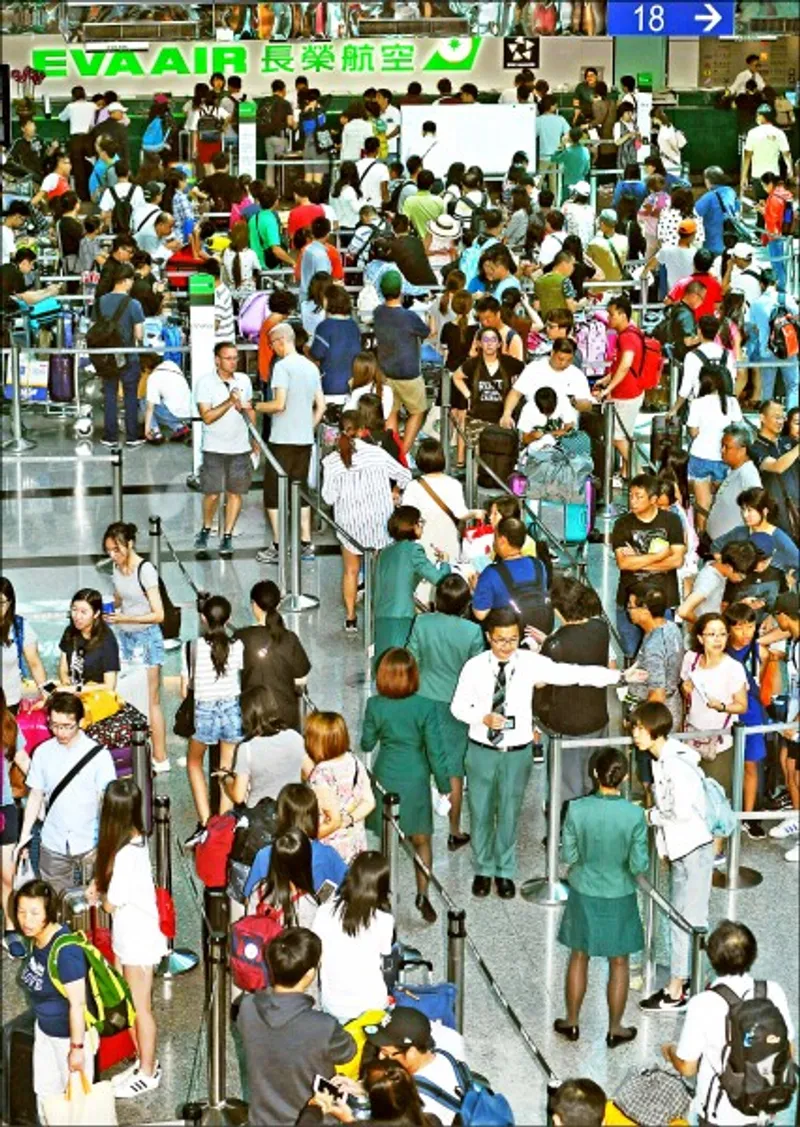
The recent actions by EVA Air flight attendants—taking “natural disaster leave” during Typhoon Nesat—have sparked a fierce debate about labor rights and passenger interests. While thousands of travelers were affected, the reaction from our legislators has been even more concerning.
Instead of looking at the root causes of labor dissatisfaction or the applicability of current laws (like the “one fixed day off and one flexible rest day”) to the aviation industry, some legislators from the DPP and PFP are only thinking about how to “solve the people who raise the problem.”
DPP Legislator Cheng Pao-ching suggested that the threshold for forming a union in Taiwan is too low and that occupational and corporate unions compete in a way that causes “chaos.” He proposed amending the Union Act to raise the threshold, believing this would “solve the problem once and for all.”
PFP Legislator Chen Yi-chieh went further, suggesting a “strike notice system” and proposing that the Ministry of Transportation work with the Ministry of Labor to “block” collective leave actions. She even suggested that if the number of people taking leave exceeds a certain limit, the company should have the right to refuse the leave.
These proposals represent a significant step backward for labor rights. While protecting passengers is a legitimate concern, we cannot do so by stripping workers of their only leverage in negotiations.
KMT Legislator Chen Yi-min was the only one who seemed to hit the mark, pointing out that the aviation industry is unique and requires flexible standards for work and leave. Raising the union threshold or creating barriers to strike will only lead to more intense confrontations and a loss of credibility for Taiwan’s aviation industry.
The government should facilitate dialogue, not design repressive laws to silence the working class.